Brightside Physio's Social & Environmental Impact
Brightside Physio exists to support healthier, more active lives through accessible, preventative physiotherapy. Our work focuses on addressing the social, economic, and environmental impacts of musculoskeletal (MSK) pain and physical inactivity, particularly within rural and coastal communities in Cornwall where health inequalities and barriers to care are more pronounced.
Download Brightside Physio’s 2024/25 Social & Environmental Impact Summary
This short public summary shares Brightside Physio’s social and environmental performance information, including client outcome indicators, an impact scorecard, environmental information, and 2025/26 targets. It has been prepared with reference to the B Impact Assessment and is proportionate to Brightside Physio size.

Social Impact: Health, Prevention & Wellbeing
Through expert physiotherapy assessment, treatment, and rehabilitation, Brightside Physio supports people experiencing or at risk of MSK pain to remain active, independent, and engaged in everyday life.
By prioritising early intervention, education, and self-management, our approach helps customers reduce pain, improve function, stay in work, and avoid unnecessary reliance on medication or secondary healthcare. This preventative, whole-person model builds confidence and agency, creating benefits that extend beyond the individual to families, communities, and the wider health system.

Environmental Considerations
As a locally delivered healthcare service, Brightside Physio is mindful of the environmental impacts associated with travel and resource-intensive care pathways. By providing care close to where people live and focusing on preventative, community-based support, we help reduce the need for long-distance travel and avoidable investigations and treatments, which are significant contributors to healthcare-related carbon emissions.Measuring Our Environmental Impact
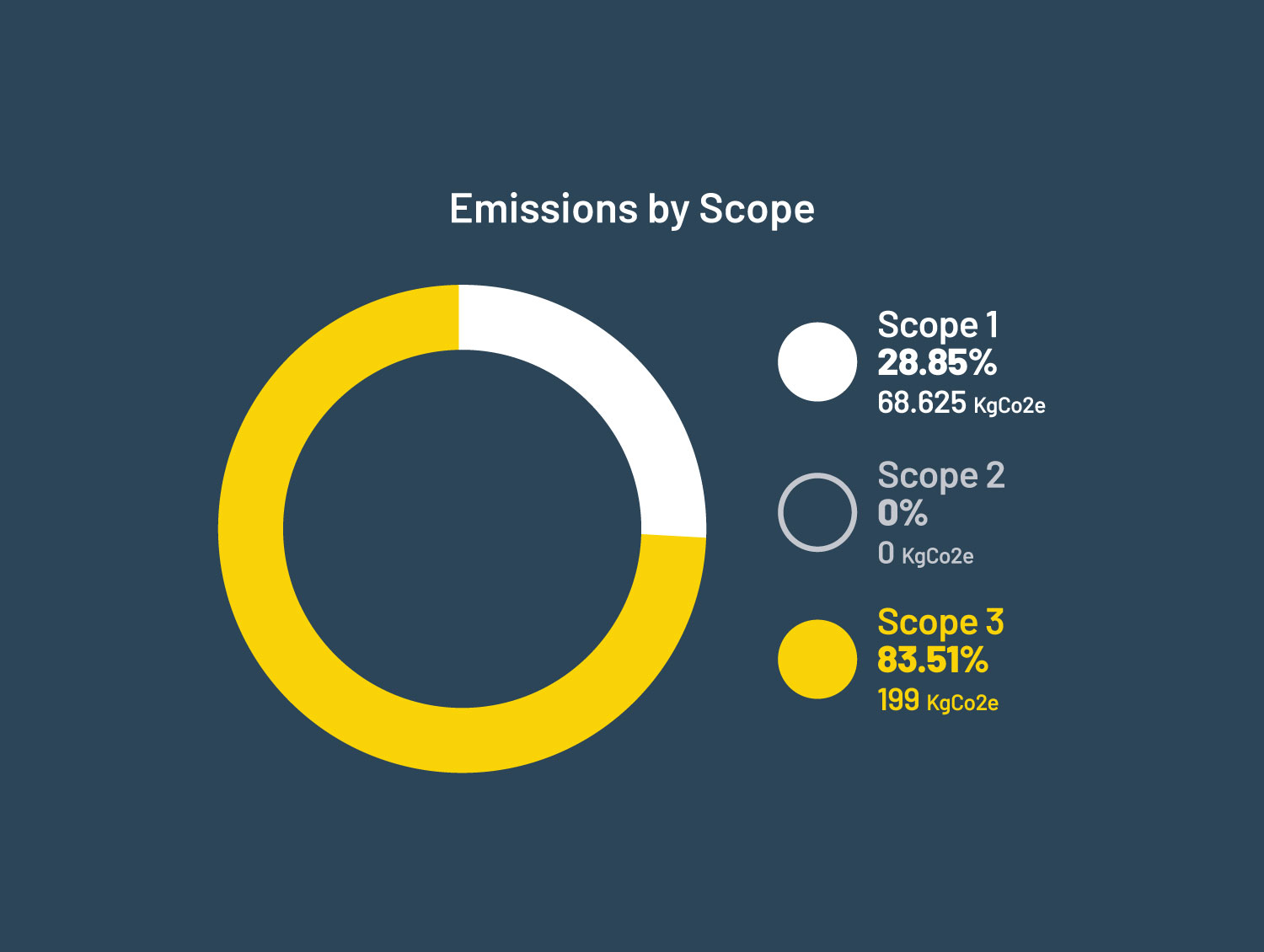
In the 2025 financial year (FY25), Brightside Physio measured its carbon footprint for the first time to better understand the environmental impact of its operations. This assessment included emissions associated with areas such as business travel, home working, energy use, and water consumption.FY25 has been established as our environmental baseline year, against which future performance and improvements will be reviewed.
Total estimated carbon footprint (FY25): 267kg CO2e
We will continue to use this information to inform responsible decision-making and identify opportunities to reduce our environmental impact over time, in line with the scale and nature of the business.